Accepting online payments in Morocco: CMI, PayPal, bank transfer — how it works
Local card payments, PayPal for foreign customers, bank transfer on order: a comparison of online payment options available in Morocco for a small shop.
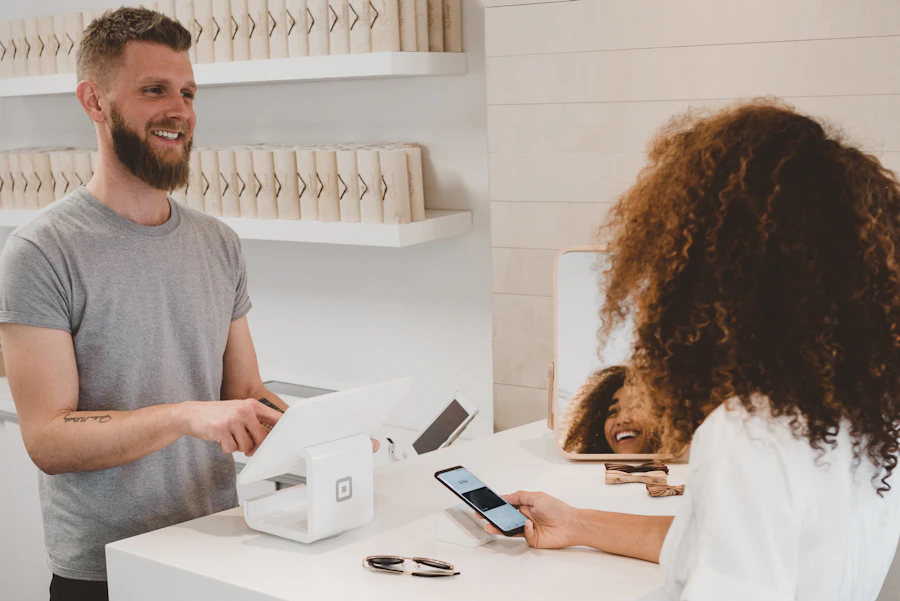
"We'd like to sell online, but how do we get paid?" is one of the first questions a Moroccan business asks before launching an online shop. Between local banking solutions, international platforms and more informal methods, here's how to find your way.
CMI: Morocco's reference banking solution
The Centre Monétique Interbancaire (CMI) is the payment gateway used by nearly all Moroccan banks to accept local and international cards (Visa, Mastercard) directly on a website. It's the most widely used solution for Moroccan online shops, but it requires opening a merchant account with your bank, with paperwork and a validation delay of several weeks.
PayPal: convenient for foreign customers
PayPal remains widely used by an international clientele, especially European, who prefer not to enter their card number directly on an unfamiliar site. Integration is quick, but fees are generally higher than CMI, and funds pass through a PayPal account before being transferred to a Moroccan bank account, sometimes with an added delay.
Comparing online payment solutions in Morocco
| Solution | Best for | Setup time | Typical fee |
|---|---|---|---|
| CMI (card payment) | Mostly Moroccan clientele | 2 to 6 weeks (bank paperwork) | ~1.5 to 2.5% per transaction |
| PayPal | International clientele, exported products | A few days | ~3.5 to 4.5% + fixed fee |
| Bank transfer on order | B2B sales, high amounts | Immediate | No fee |
| Cash on delivery | Local customers wary of online payment | Immediate | None, but non-payment/return risk |
Bank transfer: simple but slow
For B2B orders or large amounts, a classic bank transfer remains a valid option — no fee, but a processing delay that can cool off an impulse purchase. It's rarely the best option as a sole choice for a general-public shop.
Cash on delivery, still in high demand
A significant share of Moroccan online shoppers remain wary of card payment and prefer to pay cash on receiving the package. Offering this alongside online payment reassures part of the clientele, at the cost of a risk of refused packages.
Which combination to choose based on your clientele
Mostly Moroccan clientele: prioritise CMI, complemented by cash on delivery. International clientele or exported products: prioritise PayPal, with CMI as a complement for local buyers. B2B or high amounts: bank transfer with an order confirmation email.
What to check before choosing
Beyond the commission, check the actual delay before funds reach your account, compatibility with your e-commerce platform, and support in case of a dispute or refund.
Conclusion
There's no single perfect solution — the right combination depends on your clientele and the type of product sold. Web Mogador integrates the right payment solutions (CMI, PayPal, bank transfer) directly into every online shop project for merchants in Essaouira and the region.
Frequently asked questions
How long does it take to get a CMI merchant account?
Expect generally 2 to 6 weeks between filing the application with your bank and the actual activation of online payment, depending on the bank's responsiveness and how complete the submitted file is.
Can you launch an online shop without a CMI merchant account?
Yes, by starting with PayPal, bank transfer and cash on delivery while the CMI application is being processed. Many Moroccan shops add CMI later once the business is up and running.
Should you offer several payment methods or is one enough?
Offering at least two options (for example CMI + cash on delivery, or PayPal + bank transfer) increases conversion by adapting to different customer preferences, without needlessly multiplying technical integrations.